How to Choose the Best Food Packaging Boxes for Your Retail Business
Choosing the correct food packaging solutions is important for all retail businesses. The selection process encompasses numerous factors, including raw materials, design, and sustainability. Each factor plays a significant role in ensuring product quality and engaging buyers. Retail businesses need to consider how these aspects match their brand values and customer expectations. Grasping these details can have a significant impact in business success. What specific criteria should retailers consider first to ensure ideal packaging outcomes?
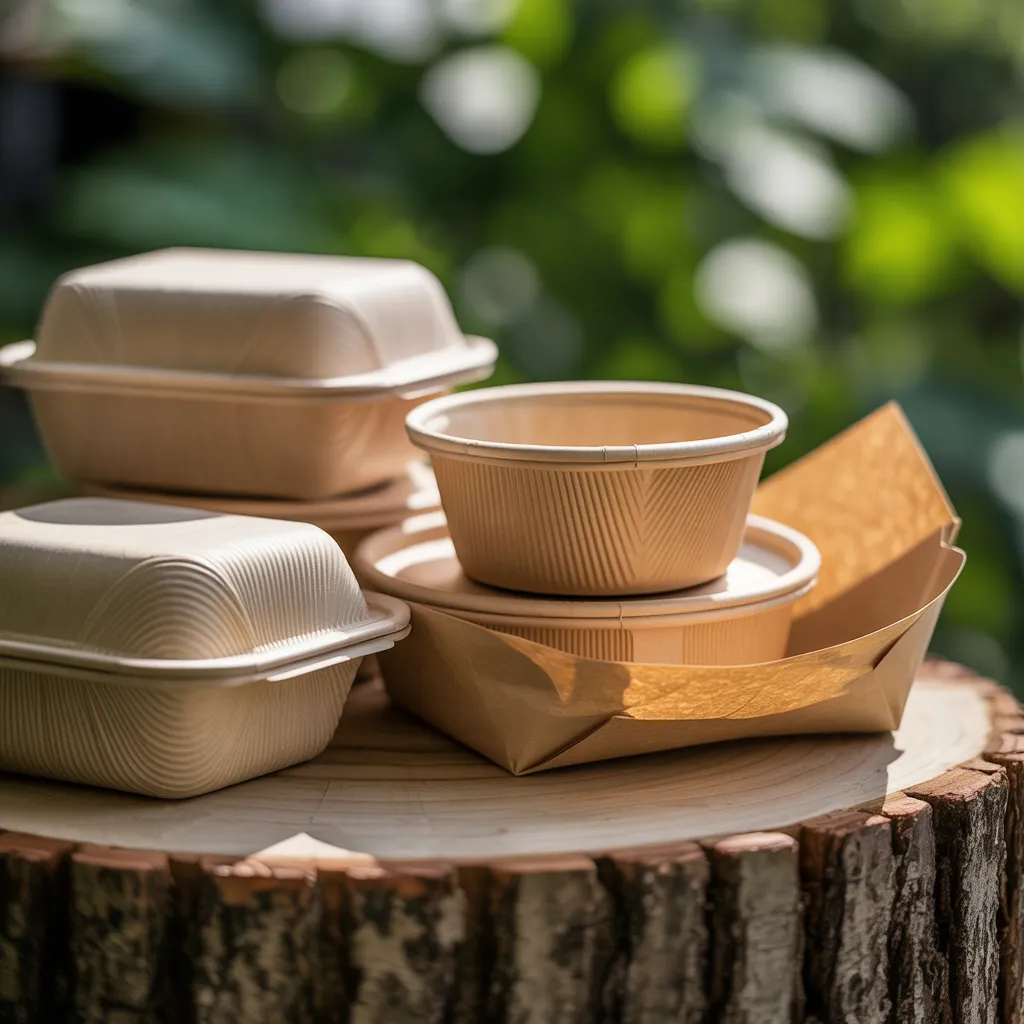
How Food Packaging Impacts Retail Success
Food packaging plays an critical role in the retail business landscape by shaping how consumers perceive products and make buying choices. Quality packaging functions as a silent salesperson, conveying essential details about the item while creating an appealing visual identity. It captures attention on crowded shelves and can set a product apart from rival brands.
Beyond this, packaging assures consumers confidence in product quality and safety, which is critical in the food industry. Transparent labeling, attractive designs, and sustainable materials can build brand loyalty and drive repeat purchases. Moreover, purposeful packaging can reflect the brand's vision and message, building a stronger connection with the consumer.
As e-commerce continues to grow, packaging also plays an important role in ensuring that products arrive intact and retain their aesthetic quality, shaping customer feedback and satisfaction levels. At its core, deliberate packaging serves as an important driver of generating sales and encouraging enduring retail prosperity.
Critical Materials Used in Food Packaging
Selecting the correct substances for food packaging is vital for preserving product integrity and guaranteeing safety. Various materials serve distinct purposes, impacting both preservation and the customer experience. Widely adopted options include paperboard, which offers durability and recyclability, rendering it an eco-friendly option. Plastic, particularly PET and HDPE, provides excellent barrier properties, protecting food from moisture and contamination. Glass containers are preferred for their inert nature, preserving flavor and preventing chemical interactions.
Metallic packaging solutions, such as metal cans, proves excellent for maximizing shelf life, particularly for perishable goods. Additionally, compostable and biodegradable materials are becoming increasingly popular, reinforcing green initiatives. Each material's cost, availability, and compatibility with various food products should be carefully evaluated. Ultimately, identifying the ideal packaging material not only protects food quality but also reflects a company's dedication to safety and environmental responsibility.
How to Create Packaging That Draws in Customers
Impactful packaging design serves a critical function in drawing in customers and boosting brand recognition. To accomplish this goal, organizations should prioritize several critical components. To begin with, color selection is of utmost importance; bold colors can stir emotions and attract attention, whereas softer hues can communicate elegance. Additionally, font choices should be clean and easy to read, ensuring that brand names and product information are easily readable at a glance.
Incorporating original shapes or constructions can further differentiate a product on busy retail shelves, creating a memorable experience for shoppers. Additionally, visuals that convey the product's excellence or source can further entice customers. Finally, weaving a storytelling component or brand message into the packaging cultivates a meaningful relationship with the core audience, inspiring participation and customer commitment. Through deliberately blending these aspects, enterprises can design packaging that not only gains visibility but also supports their brand recognition.
Green Practices in Food Packaging: Understanding Their Significance
As more consumers place greater emphasis on environmental responsibility, the value of sustainable practices in food packaging remains critically important. Retail enterprises are becoming more aware of the need to use environmentally friendly materials that cut down on waste and decrease their carbon footprint. Eco-friendly packaging solutions, including biodegradable, compostable, or recyclable materials, not only attract environmentally aware consumers but also strengthen brand reputation.
Implementing eco-friendly measures cultivates honesty and accountability, allowing businesses to align with the principles of their intended audience. Additionally, industry regulations are shifting towards stricter green regulations, rendering it necessary for firms to implement sustainable packaging solutions.
Investing in sustainable practices can generate long-term financial benefits, as businesses may lower disposal costs and improve overall performance. At its core, adopting green solutions for food packaging is not just a responsible obligation; it is a strategic move that establishes businesses favorably in an ever-expanding sustainability-driven marketplace.
Striking the Perfect Balance Between Cost and Quality in Packaging
In the food retail industry, balancing cost and quality in packaging is vital to achieving success. Companies must thoroughly assess material choices to guarantee durability while also considering cost-effective design strategies that draw in buyers. This equilibrium can significantly influence both profit margins and brand image.
Analyzing Material Selections
Identifying the right material for packaging food containers demands a careful assessment of both cost and quality. Various choices, such as biodegradable options, cardboard, and plastic, provide unique strengths and weaknesses. Corrugated cardboard is commonly recyclable and cost-effective, rendering it a common choice among vendors. However, its sturdiness may occasionally fail to address the demands of certain food items. Plastic offers superior resistance to moisture and can prolong shelf life, but its ecological footprint creates issues. Sustainable materials, though typically more expensive, align with sustainability goals and appeal to eco-conscious consumers. Ultimately, the evaluation process should harmonize these factors, ensuring the selected choice preserves the goods while also accommodating brand values and budget constraints.
Budget-Friendly Design Approaches
Maintaining a harmony between cost and quality in food packaging design necessitates careful planning and innovative thinking. Retail businesses should consider using standardized packaging sizes to decrease production practical tips expenditures while optimizing the use of resources. Utilizing clean yet visually appealing designs can improve brand awareness without adding significant expenditure. Moreover, choosing flexible materials supports a variety of packaging needs, limiting waste and improving resource efficiency. Working with vendors to consider wholesale purchasing possibilities can help decrease overall costs. Finally, incorporating sustainable practices, such as recyclable or biodegradable materials, not only resonates with sustainability-focused shoppers but can also generate enduring cost reductions. By applying these economical methods, retailers can develop packaging that upholds quality while staying cost-efficient.
Reviewing Packaging Alternatives: Important Questions to Examine
What is the best way for a retail business to select the appropriate food packaging boxes? Evaluating packaging options requires careful consideration of several key questions. Initially, companies should determine if the material is well-suited for the particular type of food being enclosed. Can it ensure food safety requirements are met while keeping the contents fresh? Additionally, the design must be taken into account—does it reflect the brand's image while remaining practical for end users?
Cost is another vital factor. Is it possible for the business to copyright quality while remaining within budget? Furthermore, businesses should consider the packaging's environmental impact. Are there eco-friendly options that reduce environmental impact?
Ultimately، the practicalities of storage and transportation cannot be disregarded. Can the packaging be stored and transported without sustaining damage? By evaluating these factors, retail businesses can make informed decisions that improve product attractiveness and ensure customer satisfaction.
Common Questions and Answers
What Are the Common Food Packaging Regulations I Should Know?
Common food packaging guidelines involve conformity with safety standards, labeling mandates, material safety, and environmental requirements. Moreover, businesses are required to ensure that packaging avoids contamination and preserves product integrity during its full shelf life.
How Do I Test Packaging Durability for My Products?
To evaluate packaging durability, it is advisable to perform drop tests, compression tests, and moisture resistance evaluations. Examining how packaging holds up under various environmental conditions and handling procedures will offer valuable information regarding its overall durability and dependability for protecting products.
Am I Able to Customize Packaging for Seasonal Promotions?
Indeed, packaging customization is possible for holiday campaigns. Organizations commonly craft distinctive visuals, hues, and materials that correspond to the seasonal theme, enhancing appeal while effectively communicating the seasonal message to capture the attention of customers during festive periods.
What Are the Key Best Practices for Packaging Food for Delivery?
Successful food packaging for delivery requires utilizing durable, insulated materials to preserve temperature, providing leak-proof construction, and incorporating clear labeling for contents and handling instructions. Additionally, eco-friendly options enhance customer appeal and environmental responsibility.
How Should I Deal With Packaging Waste in My Business?
To handle packaging waste successfully, businesses should implement recycling programs, adopt biodegradable packaging options, and motivate customers to send back packaging. Periodic evaluations can also reveal ways to reduce waste, promoting a greener approach to business practices.